








Packaging Innovation
Packaging innovation plays a critical role in supporting the scale, efficiency and reach of our production and distribution footprint across the GCC. Packaging materials are a key input to our production system and shape product protection and distribution performance across our portfolio. Because packaging relies heavily on plastics, paper, and metals, these material choices carry upstream environmental effects linked to resource extraction, processing, and transport.
Why This Matters
Packaging design also determines how materials move through end-of-life pathways. Single use formats and multi-layer composites can constrain recyclability and increase reliance on virgin inputs. In contrast, lightweighting, mono material packaging, and recycled content integration can improve recyclability and advance circular material flows. These design decisions shape the material profile of packaging waste and connect directly to the downstream outcomes addressed under Waste Management.
From a business perspective, packaging innovation exposes us to key feedstocks such as polymers, paperboard, and aluminum, which are sensitive to oil and commodity price movements and can increase production expenses and affect operating margins. Circular economy regulations are evolving across the GCC and international markets, with growing focus on recycled content, traceability, and product design. Packaging performance can also influence brand perception and access to sustainability linked finance in markets where disclosure and product stewardship are increasingly scrutinized.
Our Approach
Our approach to packaging innovation is defined through two group level instruments: The Environmental Policy and the Environmental Impact of Packaging Position Statement. Together, they set the principles and requirements we apply to packaging design, sourcing, and end of life considerations across our operations and supply chain, while maintaining product quality, safety, and shelf life. During the year, we reviewed and updated these instruments to strengthen accountability and clarify packaging related commitments.
The Packaging Position Statement
The Packaging Position Statement translates our environmental principles into practical direction for packaging decisions. It guides how we reduce material intensity, limit avoidable waste, and improve circular outcomes through packaging redesign and material substitution. In practice, this approach focuses on removing unnecessary materials, reducing overall packaging use, enabling reuse where feasible, increasing recyclability, and adopting design improvements that make packaging easier to collect and recover over time.
Accountability for packaging practices sits with executive management, with implementation and review led by the Quality and Support Services (QSS). Delivery depends on cross functional collaboration between R&D, procurement, and manufacturing teams, reflecting the fact that packaging outcomes are shaped by both design choices and supplier specifications.
Circularity through Collaboration
Because packaging circularity depends on infrastructure and value chain participation beyond our sites, we also engage with key partners and national platforms. This includes collaboration with packaging manufacturers, recyclers, and sector stakeholders, as well as alignment with circular economy direction in Saudi Arabia through engagement with the National Center for Waste Management (MWAN), the Saudi Investment Recycling Company (SIRC), and the National Circular Packaging Committee. We also work with global packaging partners such as SIG and Tetra Pak, with several packaging redesign and material substitution projects under consideration to improve circularity and reduce the environmental footprint of our packaging portfolio.
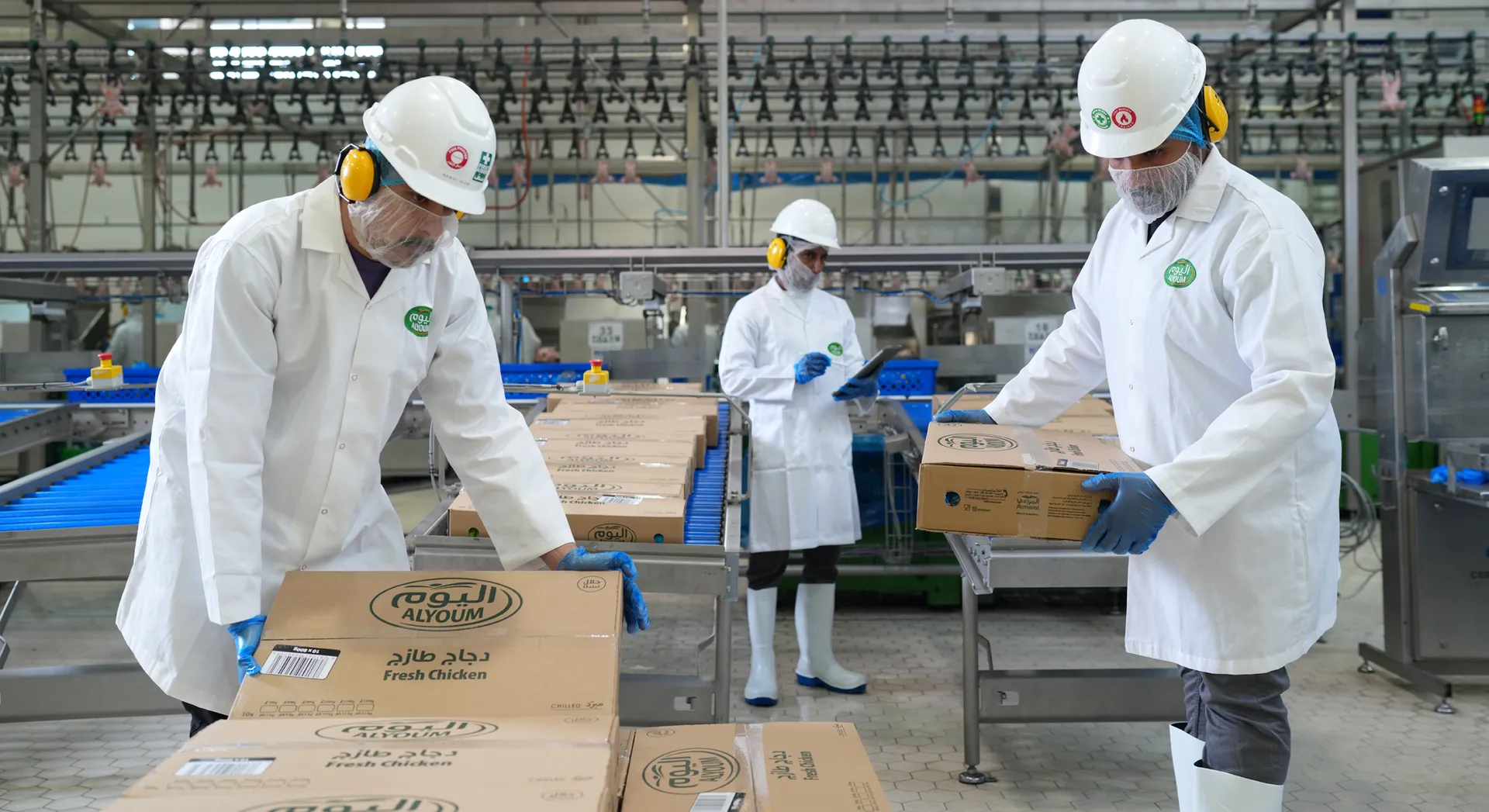
Key Developments
Since 2018, we have pursued packaging optimization through a portfolio wide program focused on lightweighting and packaging redesign, including material substitution. By the end of 2025, these efforts had delivered a cumulative net reduction of 7,506 metric tons of plastics and paper, tracked against our 2018 baseline.
Resource-Smart Packaging
In dairy, packaging weight reduction and design refinements delivered an estimated 280 metric tons of plastic reduction during the year, including weight reductions in smaller format bottles and adjustments to aseptic PET packaging components. In bakery, packaging specification changes reduced paper use for cupcake packaging, with a total reduction of 347 tons achieved through material optimization and pack redesign. In poultry, we introduced a leak free whole chicken bag in the UAE market to extend shelf life and reduce product wastage.
Packaging Circularity
Alongside implemented changes, additional packaging weight reduction projects have been approved for rollout in 2026. These include further weight reductions in selected aseptic PET bottles and dairy cup formats, with expected annual plastic reductions of approximately 950 metric tons once implemented. In parallel, we continued to improve packaging circularity through the use of recycled materials, with 85% of our cardboard packaging sourced from recycled content in 2025.
We also continued engagement with national initiatives in Saudi Arabia aimed at advancing packaging circularity and supporting the transformation of the packaging economy.
Raising Awareness on Plastic Reduction
In recognition of World Environment Day 2025, Almarai encouraged site-level initiatives aligned with the global focus on reducing plastic pollution. Activities across teams emphasized practical awareness and everyday actions, such as clean-up drives, waste segregation, and recycling challenges, to encourage more responsible plastic use.
Progress Toward Targets
Current Targets
Status

Avoid the use of 9,000 metric tons of plastics from entering the consumer waste stream by 2025 (2018 baseline).
Target on track as of 2025.
Actively support the transformation of the packaging economy in Saudi Arabia by 2025.
Target achieved as of 2024.
Metrics
301 t
Plastics removed from packaging
Packaging optimization initiatives delivered a reduction of 301 metric tons of plastic in 2025, marking continued progress toward our 2025 target through lightweighting and packaging redesign.