








Health and Safety
Health and safety are a core operational priority, given the scale, intensity, and geographic spread of our workforce across manufacturing, farming, and logistics activities. Our operations involve around-the-clock production and distribution systems that require careful management of people, equipment, and processes. Maintaining safe working environments is essential to protecting employees and contractors and to sustaining reliable operations across the company.
Why This Matters
Health and safety considerations extend across diverse working environments, from manufacturing and processing facilities to farm operations and logistics networks. We manage physical, ergonomic, and operational risks through controls, training, and supervision appropriate to each activity. These measures help maintain consistent performance across environments that differ in exposure, working conditions, and operational demands. Effective management of workplace risks helps reduce injuries, illness, and fatigue, contributing to stable production, reliable logistics, and cost control. As one of the region’s largest employers, maintaining high health and safety standards is paramount for regulatory compliance and workforce trust.
Our Approach
We manage health and safety through a group-wide Health and Safety Management System that defines our standards, responsibilities, and expectations for safeguarding employees, contractors, and third parties across the company’s operations. The system functions as a unifying policy framework, integrating objectives, accountabilities, and continuous-improvement processes at business unit level. It is designed to enable consistent implementation across diverse operating environments, including manufacturing, farming, and logistics activities.
Alignment with Global Standards
We align our Health and Safety Management System with internationally recognized standards, including ISO 45001:2018 for occupational health and safety and ISO 14001:2015 for environmental management. We maintain ISO 45001 certification across all business units, embedding international best practice into day-to-day operations and supply-chain activities. These standards provide a common foundation for hazard identification, risk control, performance monitoring, and assurance, establishing consistent expectations across the company.
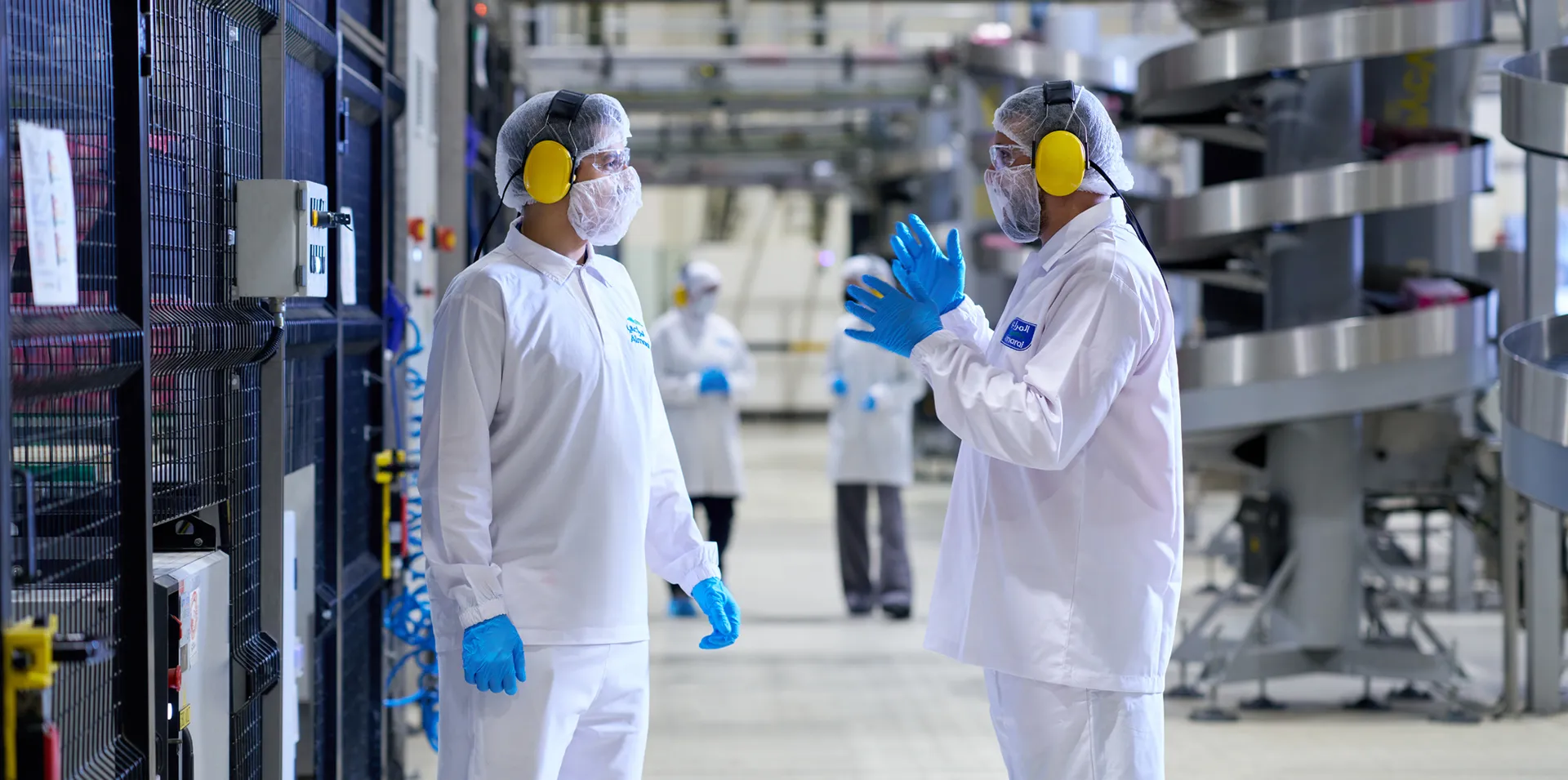
Nurturing a Safety Culture
Our safety culture is embedded through three core principles: Safe Person, Safe Place, and Safe Practice. These principles guide how hazards are managed, how facilities and workplaces are designed, and how work procedures are developed and implemented. We encourage active workforce participation through digital incident and near-miss reporting tools that allow employees to raise concerns without retaliation. This approach promotes a learning-oriented culture focused on prevention and continuous improvement rather than reactive response.
Oversight and Accountability
Oversight of health and safety performance operates at multiple levels of the organization. Executive management and business units regularly review performance using defined indicators and management reporting. At company level, a dedicated Health, Safety, and Security committee oversees implementation of the management system and provides assurance on performance and compliance. Health and safety performance is also reported to the Board through established risk-oversight mechanisms.
External Party Safety
Our approach extends beyond direct employees to include contractors and third parties engaged across our operations. We apply a duty-of-care framework that requires health and safety risks associated with contracted activities to be identified, assessed, and managed within the same management system principles. This ensures that work undertaken on our behalf is subject to consistent safety expectations and controls across all business units.
Occupational Health and Wellbeing
We also integrate occupational health and wellbeing into our health and safety framework. We implement initiatives that address both physical and mental health, including access to employee assistance services and training and awareness programs. This integrated perspective reflects our recognition that workforce wellbeing contributes to safer operations and long-term capability.
Policy Alignment
Our commitment to safe, lawful, and dignified working conditions is reinforced through our Human Rights Policy and Code of Conduct, which align worker protection with the company’s broader human-rights responsibilities and complement the principles embedded in our Health and Safety Management System.
Key Developments
During the reporting year, our health and safety performance was shaped by the scale and intensity of our operations across manufacturing, farming, and logistics activities. We recorded more than 95 million working hours across our workforce, alongside extensive logistics operations involving large vehicle fleets and long-distance distribution. This operating context defines the level of exposure we manage through our health and safety systems.
Safety Performance
Within this context, overall injury frequency remained broadly stable during the year, consistent with our application of preventive controls, training, and supervision across operations. Road safety remained a key area of management focus, given the scale of our distribution network and exposure to external traffic conditions. During the year, we placed greater emphasis on behavioral risk factors associated with vehicle-related incidents, including revisions to defensive driving programs and road safety interventions. These actions strengthened prevention efforts within logistics operations.
Frontline Risk Detection
Across the business, we emphasized proactive risk identification at the operational level. Near-miss and hazard reporting, alongside regular risk assessments, toolbox talks, and safety interventions, demonstrated workforce involvement in identifying potential hazards before incidents occur. These activities provide visibility into safety conditions across sites and inform preventive decision-making.
Building Safety Capability
Training and capability building remained central to our health and safety approach during the year. We delivered a range of programs across operations, including IOSH-aligned training for managers and supervisors, alongside ongoing training for employees and contractors. We complemented these efforts with occupational health initiatives, including health surveillance and wellbeing-related awareness interventions.
Certification and Assurance
During the year, we maintained ISO 45001 certification across all business units, providing external assurance over our occupational health and safety management system. We expanded the scope of certification to include additional operations, maintaining consistency as the business grows.
A Holistic Safety Approach
We further integrated employee wellbeing into our health and safety agenda through the introduction of an Employee Assistance Program and mental health first aid training for managers and supervisors. These initiatives signal a broader understanding of safety that recognizes the interaction between physical health, mental wellbeing, and safe operational performance.
Progress Toward Targets
Current Targets
Status

Achieve ISO 45001 compliance for all divisions by 2025.
Target achieved as of 2024.
Institute an occupational health and wellbeing program accessible to all employees by 2025.
Target achieved as of 2024.
Metrics
1
Employee lost-time injury rate (per 1 million hours worked)
160
Employee lost time injuries
7
Average hours of health and safety training per employee