






Climate Change
Climate change is closely connected to how we operate and to the structure of our production and distribution systems across the GCC. As a vertically integrated food producer, our activities span energy-intensive farming, processing, refrigeration, and logistics operations. These activities rely on electricity, fuel, and refrigerants that contribute to greenhouse-gas emissions and are intrinsically linked to how our business model functions in arid, high-temperature environments.
Why This Matters
Our operations contribute to emissions through energy use, fuel combustion, and refrigerant leakage across manufacturing, cold-chain, and transport systems. Non-CO2 emissions from agricultural activities, indirect emissions from grid-supplied electricity, and high-global-warming-potential refrigerants used in cooling infrastructure together form the principal climate-related impact pathways associated with our value chain. These impacts are concentrated within regions already exposed to heat stress and fossil-fuel-based energy systems, which heighten the importance of our emissions management across day-to-day operations.
From a business perspective, climate change can affect costs, operational reliability, and investment decisions. Energy dependency and fuel-price volatility influence margins and capital allocation, while rising cooling demand increases exposure to electricity costs and emissions-intensive grids. In parallel, evolving regulatory and disclosure requirements shape how we manage energy use, refrigerants, and emissions, with implications for financing access and compliance as climate-related standards continue to develop across the region.
Our Approach
Our approach to climate change is defined through a set of group-wide policies that govern how energy use, emissions, and climate-related considerations are managed across our operations and value chain. These include the Environmental Policy, the Energy Policy, and the Climate Change Position Statement. Together, they establish expectations for accountability, compliance, and performance improvement across administrative, manufacturing, distribution, and logistics activities across our GCC operations, as well as selected owned agricultural sites outside the region.
Environmental Policy
The Environmental Policy sets the overarching principles for environmental stewardship and continuous improvement. Within this framework, climate change and energy management are treated as core priorities, establishing baseline responsibilities and governance expectations across the organization. The Environmental Policy was expanded to include circular economy during the year, while establishing clearer accountability.
Energy Policy
The Energy Policy translates these principles into operational requirements by setting expectations for efficient energy use, integration of energy considerations into product and service design, and ongoing performance improvement across facilities and fleets. It also emphasizes operational awareness and aligns energy management practices with the company’s sustainability strategy and readiness for ISO 50001 certification. During the year, the Energy Policy underwent revisions to ensure stronger alignment with Almarai’s Sustainability Strategy.
Climate Change Position Statement
The Climate Change Position Statement provides further direction for how climate-related priorities are addressed across Almarai’s operations and value chain. The statement focuses on energy efficiency, clean energy adoption, energy culture, and refrigeration management, including the transition to lower-global-warming-potential refrigerants, reflecting the main sources of emissions associated with farming, processing, and distribution activities. During the year, the statement was updated to clarify scope, strengthen governance accountability, and place greater emphasis on supply chain emissions.
Oversight of climate- and energy-related policies sits with executive management, with implementation supported by a cross-functional Energy Committee responsible for translating policy commitments into plans and monitoring progress across business units. Our approach is informed by applicable regulatory requirements and international standards, including ISO 50001, and informed by ongoing coordination with energy and regulatory authorities across operating markets to support alignment with national energy-efficiency and decarbonization objectives.
Supplier and Partner Requirements
Beyond owned operations, climate- and energy-related expectations are reflected in supplier and partner requirements through existing ethical sourcing and ESG mechanisms. Coverage beyond the operational boundary continues to develop, with particular attention to upstream agricultural and transport activities where relevant.
Key Developments
Almarai remains committed to responsible energy management by integrating efficiency measures and diversifying our energy mix to address climate-change impacts and enhance long-term resilience.
Renewable Energy
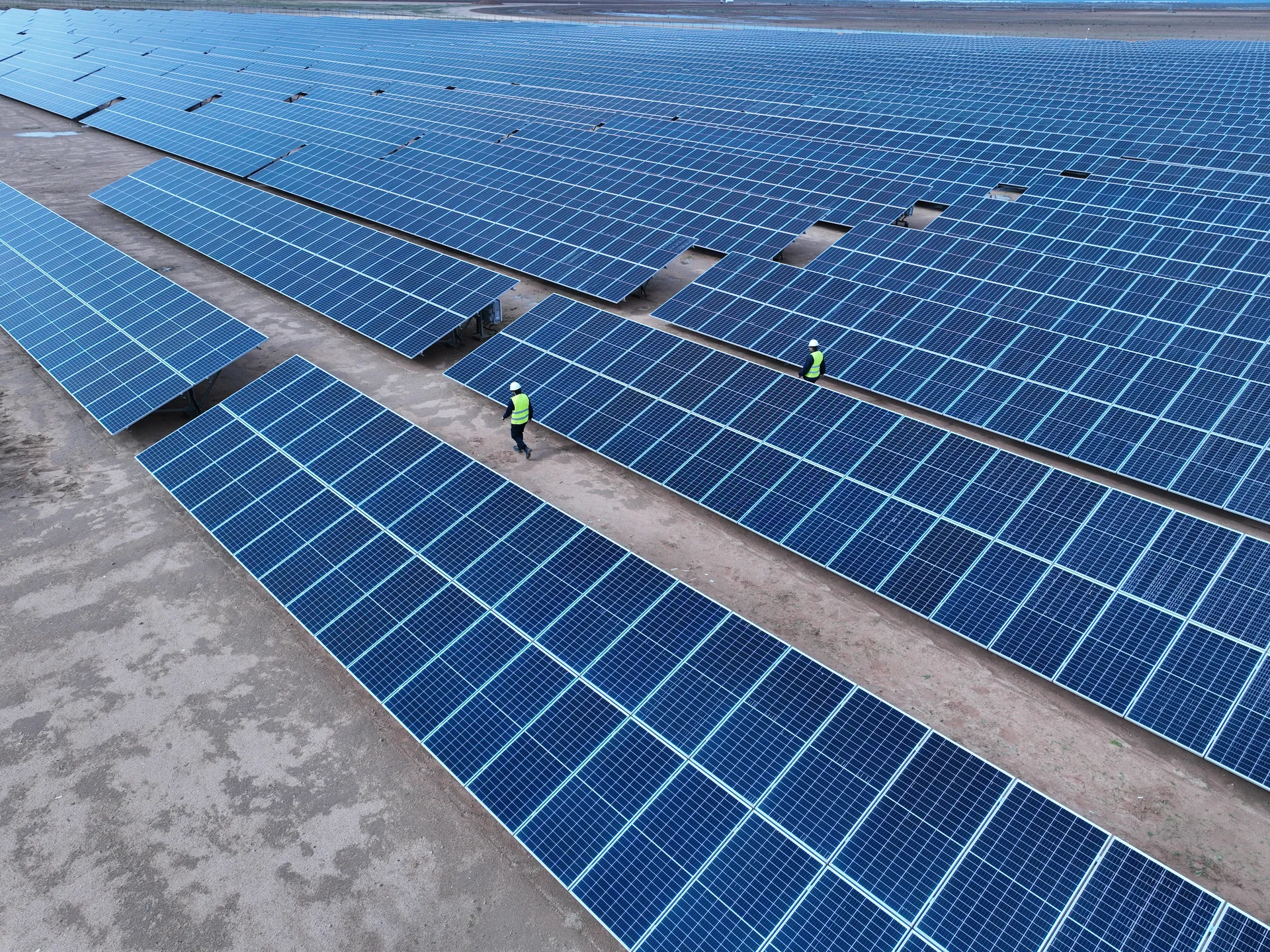
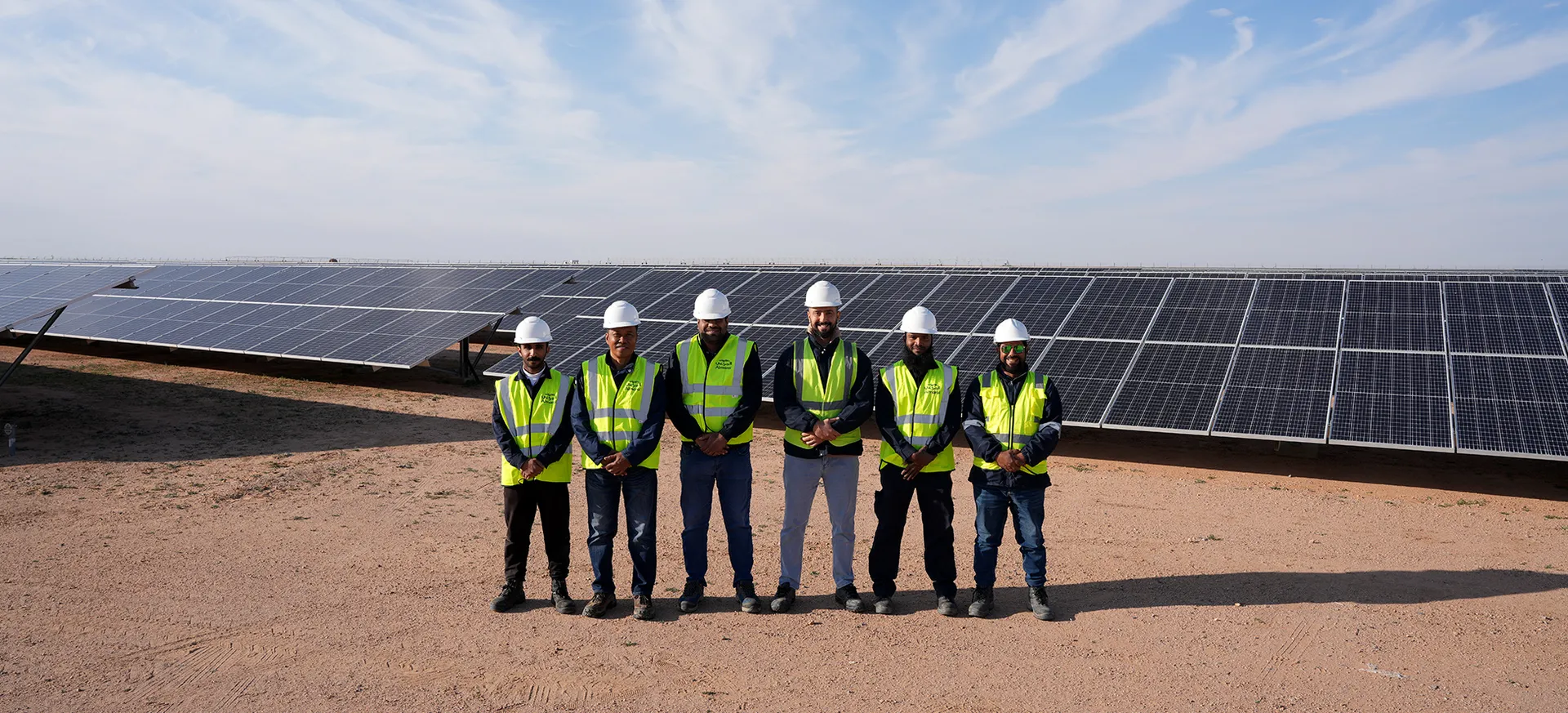
Since 2018, we have steadily expanded on-site solar generation across manufacturing and distribution facilities to diversify energy sources and reduce reliance on grid electricity. During the reporting period, we continued to advance renewable energy initiatives alongside the development of new energy-intensive operations, embedding solar generation within our evolving energy mix rather than treating it as a standalone program.
Operational Energy Consumption
As new production capacity came online and operations expanded, total energy consumption increased, while several plants recorded improvements in energy performance. To manage rising demand, we applied energy efficiency initiatives across production, refrigeration, and distribution systems, focusing on modernizing energy-intensive equipment and reducing avoidable losses in high-consumption areas.
We also maintained a strong focus on refrigeration and cooling systems due to their role in both energy use and emissions exposure. During the year, we upgraded these systems to improve reliability, tighten management of refrigerant leakage, and advance the transition toward lower-global-warming-potential refrigerants, including completing the phase-out of CFC systems across sales-depot cold stores.
Fleet Energy Consumption
Through fleet renewal, route optimization, and monitoring measures, we reduced fuel consumption per vehicle and delivered more consistent emissions performance. These efforts also helped limit exposure to fuel price volatility as distribution activity continued.
Key initiatives during the year included the introduction of electric refrigeration units powered directly by the vehicle’s electrical system, eliminating the need for separate diesel engines and reducing fuel use. We also implemented Selective Catalytic Reduction (SCR) systems to reduce nitrogen oxide emissions, supporting improved local air quality and more efficient fleet operations.
Alongside these measures, we assessed alternative fuel and vehicle technologies through limited trials and evaluations. Progress was shaped by fuel availability, regulatory conditions, and operational feasibility rather than immediate deployment.
Energy and Emissions Data Management
We continued to mature our governance and data capability across energy management. We expanded metering coverage and alignment with ISO 50001 energy management practices to improve visibility across sites, enable more consistent performance management, and increase confidence in reported energy and emissions information as operations scaled.
A key development this year was the initiation of a consolidated emissions database intended to cover all Almarai facilities, including more than 100 sites across manufacturing, farms, distribution centers, and offices within and outside Saudi Arabia. This program is designed as a multi-year initiative to improve emissions visibility, support more consistent tracking, and inform future target-setting.
Lower Climate Impact Fire Suppression Systems
Our poultry operations in Hail have begun transitioning fire suppression systems from FM-200 to Novec 1230. The latter has a lower global warming potential and breaks down more quickly in the atmosphere than FM-200, reducing the climate impact of a discharge.
Progress Toward Targets
Current Targets
Status

Explore and trial alternative-fuel vehicles for sales transport fleet (ongoing).
Target achieved as of 2025.
Increase fuel efficiency of sales, distribution, and logistics vehicles by 10% by 2025 (2018 baseline).
Target achieved as of 2022.
100% of sales-depot cold stores CFC-free by 2025.
Target achieved as of 2022.
Reduce energy consumption across Manufacturing, Sales, Distribution, and Logistics Divisions by 15% (from 2018 intensity baseline) by 2025.
Target on track as of 2025.
Increase share of electricity from clean-energy sources across Administration, Manufacturing, Sales, Distribution, and Logistics Divisions to 20% by 2025.
Target on track as of 2025.
Achieve ISO 50001 certification for Administration, Manufacturing, Sales, Distribution, and Logistics Divisions by 2025.
Target on track as of 2025.
Metrics
6,731 GWh
Total stationary energy consumption
1229 kWh/t
Manufacturing energy intensity*
*Intensity values are expressed per metric ton of finished product.
Almarai's stationary energy consumption and manufacturing energy intensity reflect the scale and operational profile of its vertically integrated activities across farming, processing, cold storage, and distribution. In 2025, energy consumption and intensity increased in line with business growth, capacity expansion, and progressive ramp-up of energy-intensive operations across the Group's manufacturing footprint.
2,677,941 tCO2e
Total GHG emissions (Scopes 1 and 2)
1,128,707 tCO2e
Scope 1 emissions
1,549,234 tCO2e
Scope 2 emissions*
*Scope 2 emissions include purchased electricity for owned operations (862,465 tCO2e) and electricity attributable to company-owned refrigeration assets operated in third-party retail locations (686,769 tCO2e).
Absolute emissions have increased modestly over time, broadly tracking business growth and expanded operational footprint. In 2025, Scope 2 emissions increased primarily due to a classification update, with electricity attributable to company-owned retail refrigeration assets reclassified from Scope 3 (as reported previously) to Scope 2. This reclassification improves boundary consistency and transparency but does not represent a step-change in underlying electricity consumption.
0.25 tCO2e/t
Manufacturing emissions intensity*
*Intensity values are expressed per metric ton of finished product.